
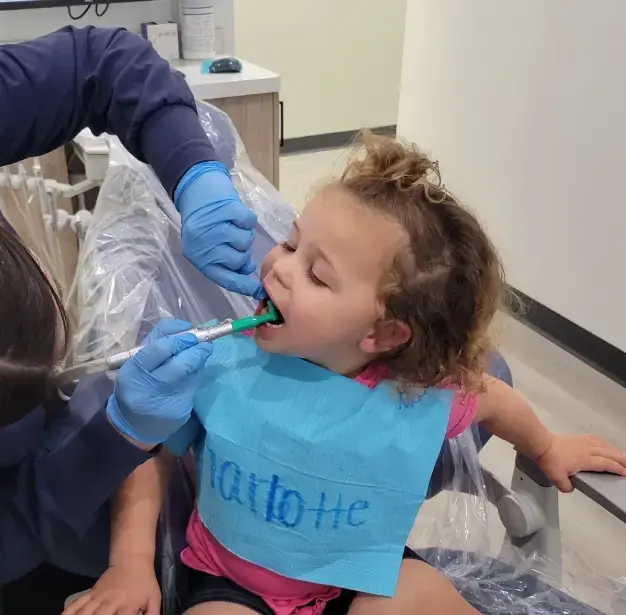
Protecting Your Child’s Tooth From the Inside Out
When decay or an injury reaches deep into a tooth, it can affect the pulp, the soft tissue inside that contains nerves and blood vessels. Left untreated, this can cause pain and infection. Pulp therapy, often called a baby root canal, allows Dr. Vidhee Shah and Dr. Justin Baik to treat the affected tissue and save the tooth, so your child can stay comfortable and keep the tooth functioning until it’s naturally ready to fall out. Treating the tooth early can also help prevent the problem from becoming more serious and reduce the need for extraction. Our team uses a gentle, child-focused approach to help your child feel comfortable throughout treatment.
Schedule a ConsultationHow Pulp Therapy Benefits Your Child’s Oral Health
Pulp therapy does more than relieve your child’s immediate tooth pain. By treating infected or damaged pulp and preserving the natural tooth, it can help your child continue eating and speaking comfortably while maintaining proper spacing for developing permanent teeth. Keeping the baby tooth in place can also support healthy oral development and reduce the likelihood of complications that may occur when a damaged tooth is left untreated. It can also help your child avoid premature tooth loss and the potential need for additional treatment to manage lost space.
Signs Your Child May Need Pulp Therapy
You may want to schedule an exam if your child is experiencing:
- Ongoing tooth pain, especially when chewing or with hot and cold foods
- Sensitivity that lingers after eating or drinking
- Swelling or a bump on the gums near a tooth
- A tooth that has been injured or chipped
- Deep decay identified during a routine dental exam or X-ray
Dr. Shah or Dr. Justin will examine the tooth and review X-rays to determine whether pulp therapy is the right treatment.
The Pulp Therapy Process
Pulp therapy is designed to address the source of pain while preserving your child’s natural tooth whenever possible. We’ll explain each step before treatment begins and make your child’s comfort a priority throughout the visit.
01.
Exam and X-Rays
We evaluate the extent of the decay or injury to determine if pulp therapy is needed. X-rays help us see how deeply the problem has affected the tooth and choose the appropriate treatment.
02.
Comfortable Numbing
Your child is gently numbed to ensure the procedure is pain-free. We’ll take time to make sure they are comfortable before moving forward with treatment.
03.
Removing Affected Tissue
The affected pulp tissue is carefully removed, whether through a pulpotomy or pulpectomy. The specific approach depends on whether the healthy pulp can be preserved or the entire pulp needs to be removed.
04.
Protecting the Tooth
The tooth is filled and often capped with a crown to restore its strength. This helps protect the treated tooth from further damage and allows it to continue functioning normally.
05.
Aftercare Guidance
We’ll let you know what to expect as your child recovers and how to care for the tooth. We’ll also answer your questions and explain when your child can return to normal eating and daily activities.
Types of Pulp Therapy
The type of pulp therapy your child needs depends on how deeply decay or injury has affected the tooth. Dr. Shah or Dr. Justin will carefully evaluate the tooth and recommend the most appropriate option to preserve it whenever possible.
Pulpotomy
A pulpotomy removes only the affected portion of the pulp, typically the part in the crown of the tooth, while leaving the healthy pulp in the roots intact. This is often used when decay has reached the pulp but hasn’t caused extensive damage.
Pulpectomy
A pulpectomy removes the entire pulp, including the tissue in the tooth’s roots, when the damage or infection is more extensive. The space is then cleaned and filled to protect the tooth going forward.
Caring for Your Child’s Tooth After Pulp Therapy
A little extra care in the days after treatment goes a long way in helping the tooth heal and stay protected. Here’s what to keep in mind at home:
- Stick to soft foods for the first day or two, especially if the area still feels numb
- Keep brushing and flossing as usual, being gentle around the treated tooth
- Watch for ongoing pain, swelling, or sensitivity, and let us know if anything seems off
- Avoid sticky or hard foods that could put extra pressure on a crown, if one was placed
- Stick to your child’s regular checkup schedule so we can monitor the tooth as it heals
Help Your Child Find Relief and Save Their Smile
If your child is dealing with tooth pain or has been told they may need pulp therapy, our Fox Pediatric Dentistry team in Elgin is here to help. Contact us to schedule an appointment.
Book Your Child’s AppointmentFrequently Asked Questions About Pulp Therapy
Pulp therapy is often referred to as a baby root canal because it treats the tooth’s inner pulp tissue, though the specific approach, a pulpotomy or pulpectomy, depends on how much of the pulp is affected.
Some mild sensitivity afterward is normal, but pulp therapy is performed specifically to relieve the pain caused by decay or infection reaching the pulp.
This depends on how much of the pulp tissue is affected. Dr. Shah or Dr. Baik will determine the right approach after examining the tooth and reviewing X-rays.
Many teeth that receive pulp therapy are capped with a crown afterward to restore their strength and protect them going forward.
A tooth treated with pulp therapy can typically function normally until it’s naturally ready to fall out.
Yes, pulp therapy is a routine treatment used to relieve pain and save baby teeth, performed with techniques designed specifically for young patients.
Without treatment, the affected pulp can lead to ongoing pain and infection, which may eventually require the tooth to be extracted.
Keeping the conversation calm and reassuring, and letting your child know our team will explain everything in a kid-friendly way, can help ease any nerves before the visit.