
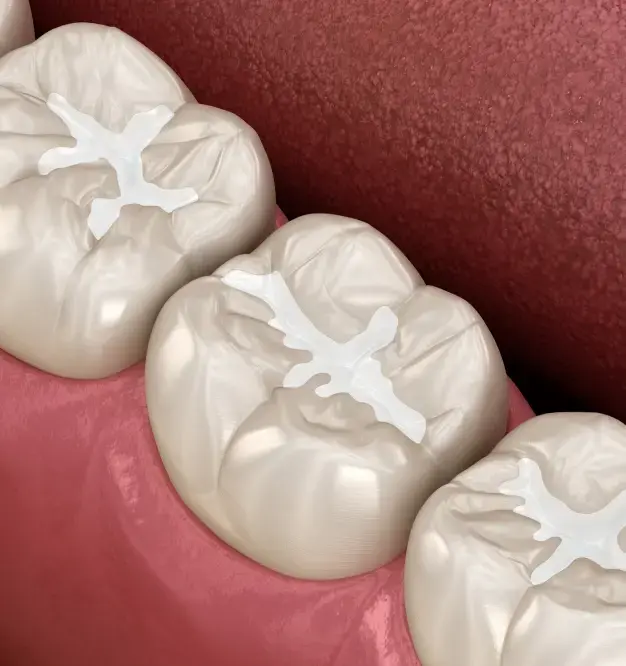
An Extra Layer of Protection Against Cavities
Cavities remain one of the most common chronic conditions in childhood, and the back molars are often where they start. The deep grooves and pits on the chewing surfaces of these teeth make them difficult to clean thoroughly, even for kids with a solid brushing routine. At Fox Pediatric Dentistry in Elgin, dental sealants offer a straightforward, painless way to add an extra layer of protection to those vulnerable spots before decay has a chance to take hold.
Sealants are most often recommended for permanent molars as soon as they erupt, though they can be placed on other teeth as needed based on your child’s individual risk of cavities. The procedure takes just a few minutes per tooth, requires no drilling or anesthesia, and can be completed comfortably during a routine visit.
Schedule a Sealant ConsultationBenefits of Dental Sealants for Growing Smiles
Dental sealants protect the deep grooves of back teeth, where food and bacteria can collect even with regular brushing. This thin protective coating creates a smoother surface that is easier to clean and helps lower the risk of cavities.
- Helps protect molars and premolars from tooth decay
- Covers hard-to-clean pits and grooves
- Supports easier brushing at home
- May reduce the need for fillings later
- Provides quick, comfortable preventive care
Is My Child a Good Candidate for Sealants?
Most children benefit from sealants, particularly once their first permanent molars come in, usually around age six, with a second round of molars typically arriving around age twelve. Kids with deep grooves in their teeth, a personal or family history of cavities, or a diet that includes frequent sugary or starchy foods are especially good candidates, since these factors all increase the risk of decay on chewing surfaces.
Sealants are not limited to permanent teeth. In some cases, a dentist may recommend sealants on baby molars as well, particularly for children who show early signs of decay risk or who need extra support keeping those back teeth clean until their permanent teeth arrive. The dental team can evaluate your child’s teeth and risk factors during a routine exam to determine whether sealants make sense for their specific needs.
How the Sealant Process Works
Placing a dental sealant is quick, comfortable, and does not require numbing or drilling, which makes it an easy addition to a routine preventive visit.
01.
Cleaning the Tooth
The tooth or teeth being sealed are thoroughly cleaned and dried to ensure the sealant material bonds properly to the surface.
02.
Preparing the Surface
A mild solution is applied to slightly roughen, or etch, the tooth surface, which helps the sealant adhere securely. The tooth is then rinsed and dried again before the next step.
03.
Applying the Sealant
The sealant material is painted directly onto the grooves and pits of the tooth’s chewing surface in liquid form.
04.
Curing the Sealant
The sealant hardens within about a minute, sometimes with the help of a special curing light, forming a smooth, protective coating over the tooth.
05.
Final Check
The dentist checks the bite to make sure the sealant feels comfortable and is properly bonded before your child is sent on their way.
Caring for Sealants Between Visits
Sealants are durable and typically last several years with normal wear, but a few simple habits at home help them go the distance. Encourage your child to keep up with regular brushing and flossing, since sealants protect the chewing surfaces of a tooth but do not replace the need for good overall hygiene. It is also worth avoiding excessive chewing on very hard items like ice or hard candy, which can wear down or chip a sealant over time. Routine dental exams and cleanings give the team a chance to check on the condition of existing sealants and reapply them if needed, so staying on a consistent visit schedule is one of the best ways to protect your investment in your child’s smile.
Protect Your Child’s Teeth From Cavities
Dental sealants are a simple, effective way to help your child’s back teeth stay cavity-free for years to come. Our dental team in Elgin can evaluate whether sealants are a good fit during your child’s next visit.
Book Your Child’s VisitFrequently Asked Questions About Dental Sealants
Dental sealants are usually made from a BPA-free resin that bonds to the chewing surfaces of back teeth. This smooth coating helps protect deep grooves from plaque and decay.
No. Sealant placement at Fox Pediatric Dentistry is painless and does not require numbing, drilling, or removal of tooth structure.
Dental sealants can last for several years with normal wear. During routine visits at our Elgin, IL office, we check each sealant and can repair or replace it when needed.
Sealants are often placed when permanent molars come in, usually around age six for the first molars and age 12 for the second molars. Timing may vary based on your child’s dental needs.
Yes. Fox Pediatric Dentistry may recommend sealants on baby molars for children with a higher risk of cavities, helping protect those teeth until permanent teeth erupt.
No. Sealants protect the chewing surfaces of back teeth, but daily brushing and flossing remain essential for protecting every area of your child’s smile.
Many dental insurance plans cover sealants for children. Before your child’s appointment, the Fox Pediatric Dentistry team can help review available benefits and coverage details.
Yes. Dental sealants are a widely used preventive treatment for children. They are supported by pediatric dental organizations and help lower the risk of cavities in back teeth.